
We’re often asked, “So what exactly is a charter school?”
It’s a fair question. Charter schools are relatively new in Aotearoa, and like most new things, they come with curiosity, caution, and sometimes confusion. This article is here to explain what charter schools are, how they differ from traditional state schools, and why their flexibility, accountability, and focus on student outcomes make them a compelling part of New Zealand’s education future.
Publicly Funded, Independently Run
First things first: charter schools are public schools.
They are fully government-funded and open to all students. They don’t charge fees. They’re not private and not selective.
Where they differ is in governance and delivery. Charter schools are run by independent boards and operate under a contract (or “charter”) with the Government. This means they have more freedom in how they teach, staff, and structure their programmes — but they are also held to a higher level of accountability.
As the New Zealand Ministry of Education itself explains, charter schools receive public funding and are subject to performance agreements. This contract outlines specific educational outcomes and reporting obligations.
“Charter schools are publicly funded, but with the autonomy to innovate. If they fail to deliver on outcomes, their contracts can be revoked.” — Ministry of Education, NZ
Clearing Up the Myths
A common misconception is that charter schools cost the taxpayer more. In fact, the funding charter schools receive over the term of their 10-year contract is broadly equivalent to state schools of a similar roll and type.
And finally, there is a lingering belief that charter schools are either elitist or remedial. In reality, they are diverse, community-focused, and designed to support a wide range of learners.
“We need innovation in the education sector, not one-size-fits-all thinking. Charter schools allow that innovation to happen.” — Justine Mahon, Chairperson, The Charter School Authorisation Board
Why Flexibility Matters
In countries like Finland, Estonia, and England, the most successful education systems all share a few key features:
- Schools have local autonomy
- Teachers are trusted professionals, not micromanaged
- Curriculum is allowed to be responsive and creative
New Zealand is currently far behind. According to the OECD’s 2022 PISA results, New Zealand’s performance in reading, maths and science has been in steady decline for 20 years, with our 15-year-olds now ranking well below the global average in maths (source: NZ Herald).
For the sake of our children, and theirs, this decline is not something we can accept as the new normal.
And change through traditional structures is slow. The charter model allows schools like ours to move with urgency, try new approaches, and focus relentlessly on student needs. We don’t have to wait for the system to change. We’re doing what works, now. And it shows.
Charter schools around the world have demonstrated consistent success, particularly in raising outcomes for students from diverse and under-served communities.
A recent RNZ article highlighted that several New Zealand charter schools were already turning students away before opening due to overwhelming demand — an indication that many families are actively seeking something different.
In that same article, school leaders spoke about the flexibility charter status gives them to provide tailored support, such as personalised learning plans and intensive hauora services, particularly for students who have struggled in traditional classrooms.
As one principal put it, “there’s also a lot of hope coming through from parents who, like us, just want the best for their children.”
In well-led charter schools, student experience improves because the entire model is built around it — not just in theory, but in contractually bound practice. That is the promise of the charter model, and at North West College, it’s already taking root.
Accountability That’s Real
Every school should be accountable. But charter schools are accountable in very tangible ways.
Our performance is tied to outcomes that are clearly defined in our charter contract.
These include:
- Academic achievement
- Student engagement
- Wellbeing measures
- Community and whānau satisfaction
We are required to report on these outcomes regularly and transparently. If we don’t deliver, we don’t keep operating. That’s not true for most schools.
“Unlike state schools, charter schools operate under renewable contracts. If they don’t meet their obligations, their contracts may not be renewed.” — Education Review Office
What This Means for Students
At the heart of it all is the student.
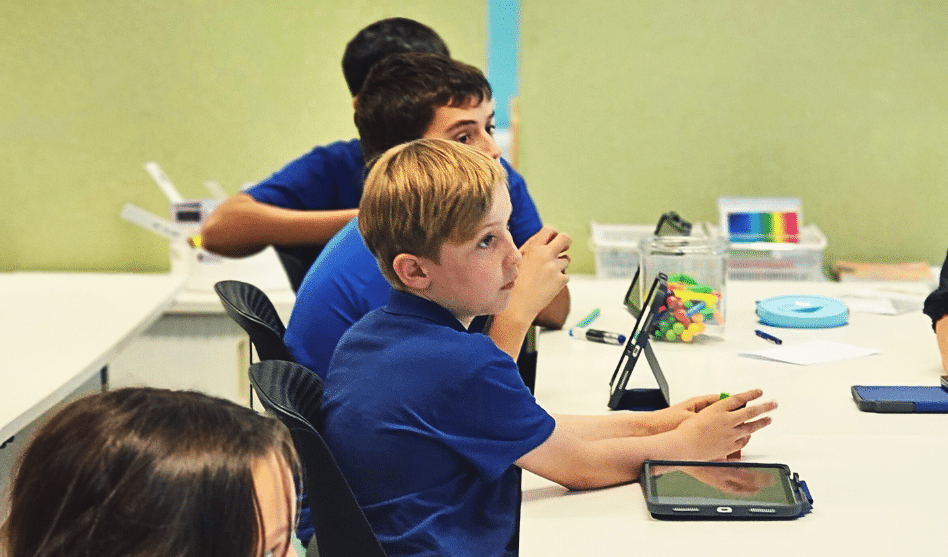
Charter schools exist to serve learners more effectively. At North West College, that means:
- Small class sizes so students are known and supported
- Integrated learning that blends core subjects with the arts
- Creative teaching that isn’t limited by rigid curriculum constraints
- Stronger teacher-student relationships, and more time to teach
And the outcomes?
According to research by the Centre for Research on Educational Outcomes (CREDO) at Stanford University, students in well-run charter schools often achieve higher academic gains than their peers in traditional schools, especially in maths and reading. The UK’s Education Policy Institute (https://epi.org.uk/publications-and-research/performance-of-academy-schools-in-england/) has shown similar results for academies and free schools.
These results don’t come from magic. They come from:
- Clear purpose
- Responsive leadership
- Freedom to focus on what matters
And they come from communities like ours saying:
We’re committed to building a school that better meets the needs of our young people.
If you’re curious about how the charter model plays out day to day — in classrooms, relationships, and student outcomes — we’d encourage you to take a closer look. North West College is built around the principles discussed here, but what really matters is how they come to life for our students.
Our students are thriving — not just in academic progress, but in confidence, creativity, and wellbeing. Parents and students have shared powerful testimonies about the impact this education is having on their lives, from feeling truly supported to rediscovering a love of learning. Small class sizes, calm classrooms, and responsive teaching are helping young people feel seen and successful.
We welcome you to visit and see how these ideas take shape at North West College — whether that’s through a tour of our learning spaces, a chat with the leadership team, or observing a class in action.
You’re also welcome to get in touch if you have questions or would simply like to learn more.
Further Reading
- Charter schools | Kura hourua
- Sharing The Mahi | Education Review Office
- 1 in 5 kids leave school unequipped for workforce
- OECD PISA 2022 Results (Volume I) The State of Learning and Equity in Education
- Free schools (Charter Schools) in England: 2019 report | Education Policy Institute
- Harvard CEPR: Charter School Research
Intro to Water Polo at West Wave
Waitakere Water Polo Club is running a five week introduction to water polo at West Wave. Two Sunday sessions remain, on 13 and 20 September.
Year 9 and 10 English: Storyboarding Othello and Reading Macbeth
Year 9 have storyboarded Othello scene by scene. Year 10 are working on Macbeth.
Year 9 and 10 Maths: Revising for the End of Year Exams
Year 9 are finishing units on data, measurement and fractions. Year 10 are on linear equations. Revision material will be available over the holidays.
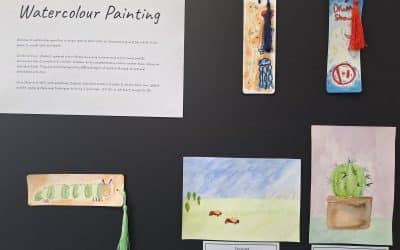
Watercolour Painting Ahead of the College Expo
Students are working on individual watercolour pieces in the seminar room, choosing their best work for the College Expo on 18 September.
Itinerant Music Lessons: Term 4 Enrolments Open
The Lincoln Road music programme has run at capacity this term. Term 4 places are open to Year 7 and 8 families now.
Creative Writing: Choosing Genres and Designing Covers
The group are working on original stories in small groups, choosing their own genres and designing covers and illustrations for their books.

Years 7 and 8 English: Building Suspense and Drafting Narratives
Year 7 are drafting their own narratives after studying how authors build suspense. Year 8 have turned When the Mountains Roared into audio drama scripts.
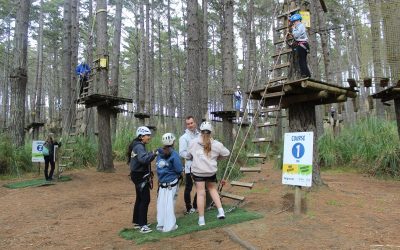
Tree Adventures for Years 7 and 8
Years 7 and 8 spent 26 August on the high ropes at Tree Adventures, working through rope bridges and obstacles strung between the pines.
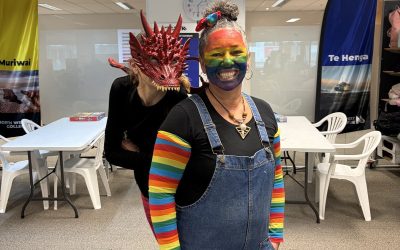
Book Day at Lincoln Road
Staff and students came dressed as their favourite book characters, in a day organised by Andrew Kingston and the student leaders.

Absence Reminder
How to let the school know when your child is away, and what to do if they usually travel on a North West College bus.
Year 7 2027: Enrolments Are Open
Forty places for each year, every other level full. If you have a Year 6 child for 2027, applying early holds their place.
Intro to Water Polo at West Wave
Waitakere Water Polo Club is running a five week introduction to water polo at West Wave. Two Sunday sessions remain, on 13 and 20 September.
Year 9 and 10 English: Storyboarding Othello and Reading Macbeth
Year 9 have storyboarded Othello scene by scene. Year 10 are working on Macbeth.
Year 9 and 10 Maths: Revising for the End of Year Exams
Year 9 are finishing units on data, measurement and fractions. Year 10 are on linear equations. Revision material will be available over the holidays.
Watercolour Painting Ahead of the College Expo
Students are working on individual watercolour pieces in the seminar room, choosing their best work for the College Expo on 18 September.
Itinerant Music Lessons: Term 4 Enrolments Open
The Lincoln Road music programme has run at capacity this term. Term 4 places are open to Year 7 and 8 families now.
Creative Writing: Choosing Genres and Designing Covers
The group are working on original stories in small groups, choosing their own genres and designing covers and illustrations for their books.
Years 7 and 8 English: Building Suspense and Drafting Narratives
Year 7 are drafting their own narratives after studying how authors build suspense. Year 8 have turned When the Mountains Roared into audio drama scripts.
Tree Adventures for Years 7 and 8
Years 7 and 8 spent 26 August on the high ropes at Tree Adventures, working through rope bridges and obstacles strung between the pines.
Book Day at Lincoln Road
Staff and students came dressed as their favourite book characters, in a day organised by Andrew Kingston and the student leaders.
Absence Reminder
How to let the school know when your child is away, and what to do if they usually travel on a North West College bus.
Year 7 2027: Enrolments Are Open
Forty places for each year, every other level full. If you have a Year 6 child for 2027, applying early holds their place.