What Is Pacific Tapa?
Tapa is a traditional barkcloth made across the Pacific, including Tonga, Samoa, Fiji and the Cook Islands. Makers use the inner bark of the paper mulberry tree. The bark is soaked and beaten into thin sheets, then joined to form larger pieces. Patterns are added with natural dyes from plants and clay, using stencils, rubbing boards or freehand painting. Tapa is used for clothing and blankets in the past, and today for ceremony, gift giving, weddings and funerals. Names vary by place, such as ngatu in Tonga, siapo in Samoa and masi in Fiji.
Pacific Tapa Collaboration on International Day
During International Day, North West College students learned about Pacific tapa and the traditions behind it. We looked at how barkcloth is made from the paper mulberry, how patterns are built up with natural dyes, and what these designs mean in different islands.
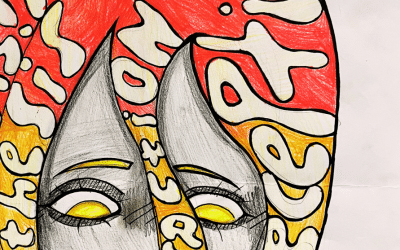
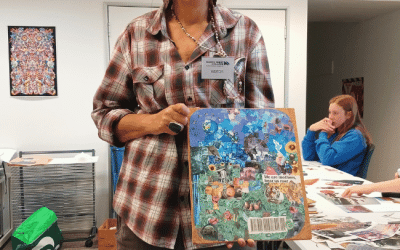
Students then designed and created their own square of tapa-inspired art, drawing on traditional motifs such as spears, waves, leaves and stars. Each piece stands on its own, yet also links to the others through repeated patterns and balanced borders.
All the squares were then joined to make a collaborative tapa cloth that now hangs in our seminar room. It is a bright, thoughtful record of the day and a nod to the cultures that shaped the practice.
No Results Found
The page you requested could not be found. Try refining your search, or use the navigation above to locate the post.
No Results Found
The page you requested could not be found. Try refining your search, or use the navigation above to locate the post.